

How Business Travellers Can Make London Airport Trips More Efficient

A 75-minute flight to Amsterdam can consume seven hours of a working day. Flying is rarely the problem. The transfer, the buffer and the queue account for most of that loss, and many business travellers treat it as unavoidable.

It isn’t. How business travellers can make London airport trips more efficient rests on one reframe: efficiency means predictability, not speed. The fastest possible journey to Heathrow matters far less than the one that holds up at 06:40 on a Tuesday. You can recover most of that lost time with decisions made before you leave for the terminal.

Why Published Journey Times Mislead You

Rail operators quote station to station. Your day runs door to door. That gap is where planning fails.

“Thirty minutes to Paddington” is accurate and close to useless, because your meeting isn’t at Paddington. It’s in Canary Wharf, and the advertised figure stopped measuring several stages before you got there. It was never wrong. It just answered a different question.

Plan around the quoted number, and you omit three stages: the walk to the platform, the onward leg across town, and the queue you can’t see from home.

The Hidden Variable Is Variance

Getting the total right still leaves the problem that actually wrecks schedules.

A train timetabled at 35 minutes takes 35 minutes. A car that usually takes 40 might take 75. Both averages look acceptable on paper. Only one is reliable during rush hour.

That’s the real case for rail. Its worst day resembles its best day.

Choosing Your Airport Before Your Flight

Six airports serve the capital across very different geographies. Most people choose on ticket price alone, which is the costliest way to decide:

  • London City: Closest to the City and Canary Wharf, one small terminal, DLR at the door. Note the curfew, with no flights between 12:30 Saturday and 12:30 Sunday. A 2024 planning decision kept that restriction in place.
  • Heathrow: Fourteen miles west, with the deepest rail options of any London airport.
  • Gatwick: Roughly 33 miles south, strong for central London by rail.
  • Stansted and Luton: Low-cost bases carrying the longest ground legs. Worth it only when the fare gap is large.

Match the airport to your meeting postcode. A modest saving on the ticket often costs more than that on the ground, plus the better part of an hour.

What Changed Across London In 2026

Most airport advice online predates this year, which makes it unhelpful.

Heathrow completed its next-generation CT scanner rollout in January 2026 and dropped the 100ml liquid limit across all four terminals. Containers up to two litres are allowed. No clear plastic bag. Laptops stay in the bag. Gatwick, Birmingham and Edinburgh have followed.

Now the trap almost nobody flags. Stansted, Luton and Manchester still enforce 100ml. That two-litre bottle which cleared Heathrow gets binned on your way home.

Costs shifted as well:

  • Congestion Charge: Rose from £15 to £18 on 2 January 2026, the first increase since 2020. It operates from 07:00 to 18:00 on weekdays and from 12:00 to 18:00 at weekends and bank holidays.
  • Electric vehicles: The full exemption ended. EVs now get 25% off, available only through Auto Pay.
  • ULEZ: Stays separate at £12.50, so a non-compliant vehicle in the centre costs £30.50 daily.

Forecourt charges climbed too. Heathrow charges £7 per entry, 24 hours a day, enforced by ANPR cameras with no barriers. Miss the midnight deadline the next day, and it becomes an £80 Parking Charge, reduced to £40 within 14 days. Gatwick and Stansted both raised theirs to £10 this year.

One operational detail matters here. Pick-ups aren’t permitted on the Heathrow forecourt at all. They happen from Terminal Parking or the Authorised Vehicle Area, which explains why a pre-booked driver meets you there rather than at the kerb.

Flying to Europe adds a further step. The EU’s Entry/Exit System became fully operational on 10 April 2026, replacing passport stamps with biometric records. First registration captures a facial image and fingerprints. Later trips verify against that record and move faster. Add a buffer to your first Schengen trip of the cycle.

Reading The Trip Correctly: Rail Or Road

Rail’s value is its fixed timetable. Traffic risk disappears.

The Elizabeth line runs a flat £15.50 single between Heathrow and Zone 1 on contactless, priced identically at every hour since TfL removed the off-peak fare on 1 March 2026. That’s roughly 30 minutes to Paddington, continuing through Bond Street, Farringdon, Liverpool Street and Canary Wharf without a change.

Heathrow Express reaches Paddington in 15 minutes and Terminal 5 in 21, running every quarter hour. Walk-up costs around £25. Booked ahead, it starts at £10, undercutting the Elizabeth line outright. The premium option is sometimes the cheaper one.

Elsewhere, Gatwick Express reaches Victoria in about 30 minutes. Stansted Express takes roughly 48 minutes to Liverpool Street, though Oyster and contactless aren’t valid on that route. Luton pairs St Pancras with the DART shuttle, which runs around the clock.

A pre-booked car earns its place in specific conditions:

  • Early departures: The Elizabeth line’s first Terminal 5 train leaves at 05:15. Anything earlier rules rail out.
  • Late arrivals: Services from Heathrow finish shortly after midnight.
  • Luggage or numbers: Multiple bags, sample cases, or more than two travellers.
  • Off-corridor destinations: Rail beats road to Paddington and loses badly to a business park in Slough.

A minicab is a private hire vehicle and must be booked through a licensed operator. It cannot legally be hailed on the street or wait at a rank, which separates it from a black cab. That booking is what makes the journey insured, and the fare is agreed with the operator beforehand rather than metered.

Building A Buffer That Holds

Heathrow’s guidance is two hours for short-haul and three for long-haul. Treat it as the rule, not padding.

The crush lands between 05:00 and 08:00, then again from 16:00 to 19:00. Live security wait times sit inside the Heathrow app rather than the website, so check there before you set off rather than assuming yesterday’s queue.

Work backwards from the check-in deadline, not forwards from your preferred departure.

Habits That Compound Over A Travel Year

Hand luggage only, where the trip allows, removes bag drop and reclaim entirely. Book connections on a single itinerary so bags check through. Confirm your terminal beforehand, since Gatwick’s rail services all run from South Terminal. Check the return airport’s liquid rules before you pack.

The travellers who move well through London aren’t the ones who found the fastest train. They’re the ones who removed the decisions. 

How business travellers can make London airport trips more efficient was never about shaving minutes off a journey. It’s about buying certainty early, then trusting it. Take your next trip apart tonight: check the rules, set the buffer, arrange the transfer.


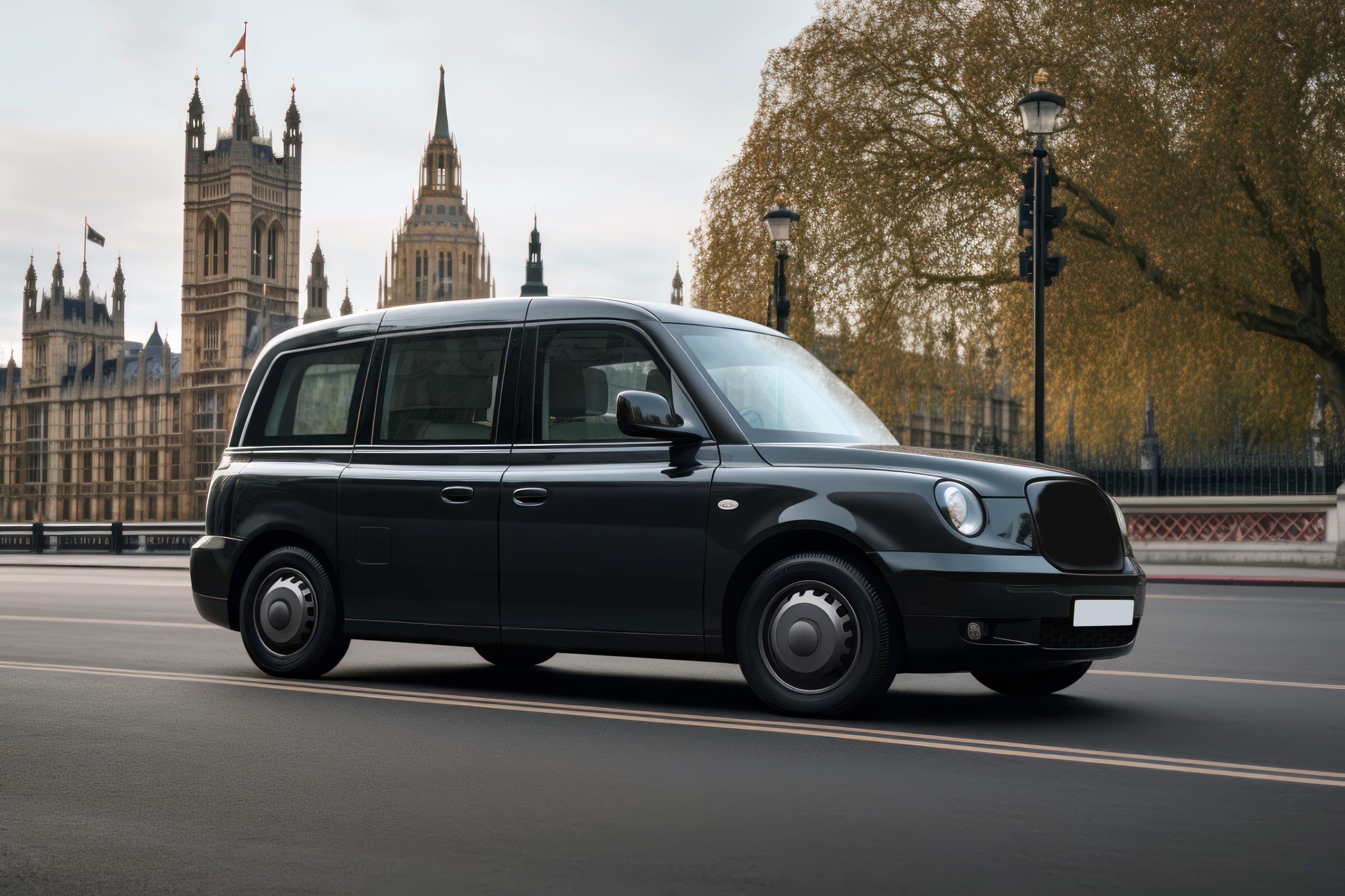

London Transport Mistakes Tourists Make and How to Avoid Them

London draws more international visitors than any other city in Europe, yet the same small handful of errors trip people up again and again. 

Most of them have nothing to do with bad luck. They come down to a system that rewards local knowledge and quietly penalises anyone who does not have it: the wrong ticket, the wrong assumption about distance, the wrong lift home after dark. 

Some London transport mistakes simply cost a bit more than they should. Others matter far more than a few pounds. Knowing how the network is actually structured before you make a single journey is what separates a smooth visit from a stressful one.

Understanding the Zones Before You Set Off

London’s fares run on a zone system, from Zone 1 in the centre out to Zone 9 on the edges. What you pay depends on which zones you cross, not just the distance you travel. A short trip that stays in Zone 1 costs less than one that crosses into Zone 2 or further out. 

Knowing roughly where your hotel sits and where you plan to visit saves confusion later on, whether you are checking a Tube fare or budgeting a road journey. Skip this step, and several of the mistakes below become far more likely.

Choosing the Wrong Way to Pay

Many visitors still buy a paper single ticket for each trip. A paper single costs a lot more than the same trip on contactless or Oyster, often double or more in central zones. The two main alternatives suit slightly different travellers:

  • Contactless payment: tap your bank card, phone, or watch at the yellow reader, and the correct fare charges automatically. This suits most overseas visitors best. Just check with your bank first that your card does not add a foreign transaction fee.
  • Oyster card: a prepaid card you top up separately. It suits anyone who would rather keep transport spending apart from everyday card use, and it works the same way as contactless at the gate.

Either choice beats a paper ticket on price, every time.

Forgetting to Tap Out

Tapping in feels automatic. Tapping out often gets forgotten, especially at stations with no exit barriers to remind you. Miss it, and the system charges you the maximum fare for that line. It is a small habit, worth building early in your trip.

Missing the Daily Fare Cap

Many visitors do not realise that daily and weekly spending caps apply on their own, on both Oyster and contactless, with nothing to buy in advance. Once your fares for the day reach the cap for your zones, every journey after that is free. 

The cap runs higher the further out you travel, so it is worth checking the current figure before you go. One detail catches out late-night travellers: the cap resets in the early hours, not at midnight, so a journey just after midnight can still count toward the day before.

Underestimating How Walkable London Is

The Tube map is great for working out which line to take. It does not show real distance well, though. Stations that look several stops apart are sometimes a ten-minute walk above ground. Getting there by Tube, with stairs, platforms, and a change of line, can take longer than simply walking. 

Check how far your destination actually is on foot before heading underground out of habit. You will likely see more of the city too.

Getting the Airport Transfer Wrong

Landing at Heathrow, many visitors assume the Heathrow Express is the only fast way into the centre, and book it without comparing. Three main options cover most journeys:

  • Heathrow Express: the fastest option at around 15 minutes to Paddington, but also the priciest if bought on the day. Book well ahead, and the price drops a lot.
  • Elizabeth line: slower than the Express, but a lot cheaper, and it reaches more central stations directly with no change needed.
  • Booked private hire: fares move with traffic and time of day, so budget a range rather than one fixed price, and book with a licensed operator ahead of arrival.

The right pick usually comes down to your final stop and how much speed matters against reach.

Learning the Tube’s Unwritten Rules

Stand on the right of the escalator, walk on the left. Let passengers off the train before you step on, and move down inside the carriage instead of blocking the doors. None of this is written down anywhere, yet Londoners expect it, and picking it up quickly makes your whole trip smoother.

Stepping Into an Unbooked Minicab

This is the mistake with the most serious consequences. Only licensed black cabs can be hailed on the street, or picked up from a rank, without booking first. Any minicab that approaches you directly is breaking the law if no booking was made in advance. This includes ones parked outside bars and clubs, no matter what the vehicle displays. TfL and the Metropolitan Police have warned repeatedly that unbooked minicabs are not insured to carry passengers. 

They pose a real safety risk. Every licensed private hire vehicle carries a TfL licence disc in the front and rear windscreen, and it is always worth checking that an operator is properly licensed before you travel. Booking ahead, whether by phone, app, or through a licensed operator, is the standard worth sticking to.

Why Prices Rarely Stay the Same for Long

Fares, the congestion charge, and other costs change most years, usually every spring for public transport and now and then for road charges. The congestion charge went up at the start of 2026, its first rise in several years, and Tube and rail fares increased again that March. 

This matters for road journeys too, since a licensed minicab fare reflects current running costs like the congestion charge rather than a fixed number that never moves. Checking current prices before you travel, rather than trusting an old blog post, saves an unwelcome surprise partway through your trip.

Most of what catches visitors out in London comes down to information nobody mentioned beforehand, rarely any real fault in the network itself. Learn the zones. Tap in and out properly. Walk when it makes sense to walk. 

Book any private hire journey ahead of time, with a licensed operator, rather than accepting one off the street. Get those few things right, and avoiding common London transport mistakes stops being a worry. The city’s transport can then work the way it is meant to: quietly, efficiently, and firmly in your favour.

Best Areas in Central London to Watch World Cup Matches (And How You’ll Actually Get Home)

Soho, Victoria, South Bank and Shoreditch are among the best spots to watch the World Cup in Central London. Each area has plenty of pubs and sports bars showing every match on the big screen. Picking a venue only takes a few minutes. 

Getting home after the final whistle takes a bit more thought. This tournament has some unusual kick-off times, and that changes things. This guide covers both parts of your evening. It starts with where in London to watch the games, then moves on to what late finishes mean for your journey home and how private hire travel can help. 

Where London Gathers To Watch

Soho and Fitzrovia are the heart of West End football culture. Pubs here fill up fast, night after night. Victoria is a great choice if you’re coming from South or Southwest London. It sits right on top of a major transport hub. That matters most once the match ends, not just when you arrive.

South Bank and Borough favour the outdoors. Think riverside beer gardens and big open-air screens for the larger fixtures. Shoreditch and the City fringe draw an after-work crowd. The venues here are big, spread across several floors, and rarely feel empty. King’s Cross and Piccadilly are handy too. Both sit centrally, so you’re never far from wherever your evening started.

The atmosphere in these areas has been excellent all summer. It’s easy to see why so many fans choose to watch the World Cup in Central London instead of staying home. But the second half of the evening gets far less attention. That’s exactly where planning starts to matter.

What Happens To London’s Transport Late At Night

London’s transport network wasn’t built for 1 am kick-offs. A few gaps tend to catch fans out:

  • Weeknight cut-off: The Tube and National Rail wind down from around midnight. Last trains usually leave Central London between midnight and half past. The exact time depends on your line and station.
  • Night Tube limits: Overnight trains run on five Underground lines. These are the Central, Jubilee, Northern, Piccadilly and Victoria lines. The Windrush Overground line also runs overnight. But this only happens on Friday and Saturday nights. A midweek match finishing at 11 pm meets a closing network, not a 24-hour one.
  • Night buses: These fill some of the gap left by the Tube. Journeys usually take longer, though, with more stops along the way.
  • Station crowding: Stations near busy screening spots get packed fast once full time is called. Some stations use one-way systems. Others close their doors for a while to manage the crowd safely.

Planning Your Journey Home With A Minicab

Sort this part of your evening before kick-off, not after. If you’re heading into Central London for a late match, check your last connecting service before you leave home. Have a backup route ready, too. A pre-booked minicab takes the guesswork out of a moment when most people aren’t thinking clearly.

Watching football in Central London is rarely a solo trip. Getting your whole group home safely deserves some thought as well:

  • Match the vehicle to the group: A standard saloon minicab usually seats up to four people. An MPV is licensed for larger groups, up to eight. Book the right size early, and your group travels home to gether in one vehicle.
  • One booking, one meeting point: Agree where everyone will meet after the match. This makes it far easier for one pre-booked minicab to collect the whole group at once.
  • Fewer changes for tired legs: Your group has likely been standing for two hours, maybe longer if there’s extra time. One direct journey beats several Tube changes or a slow night bus route.
  • Book early for larger groups: MPVs and bigger vehicles are in shorter supply than standard saloons. Groups of five or more should book well ahead of a big match, not after the final whistle.

Making The Evening Run Smoothly

None of this should put you off choosing to watch the World Cup in Central London. It’s still one of the best places in the country to catch a match. The atmosphere across these areas speaks for itself. Getting home safely just takes the same forward thinking you’d put into choosing your venue.

Check your kick-off time and your last connecting service before you leave home. Keep a backup route in mind, whatever the score. Book your private hire transport before the match starts, especially for anything running past midnight. Sort your journey home early, and the rest of the evening runs much more smoothly, win or lose.

A Practical Guide to Choosing the Right Vehicle for Your London Airport Transfer

Choosing the right vehicle for your London airport transfer can save you a lot of hassle. It is not only about the number of seats. You also need to think about luggage, comfort, flight times and who is travelling with you.

A small car may look fine on paper. Then the cases, cabin bags and pushchair appear at the door. That is when space becomes the real issue. A little planning before you book can make the journey much easier.

Start With the Number of Passengers

First, count every person travelling. Children should be included too, as each passenger needs a proper seat.

A saloon is usually fine for one or two people with light luggage. It may also work for a small group on a short airport trip. Yet four adults in a saloon with several large cases can feel tight very quickly.

For families or groups, an MPV is often a better fit. It gives more room to sit, easier access and space for extra travel items. This matters even more if the journey is longer, such as a trip to Gatwick, Stansted or Luton.

Think About Luggage Before Seats

Seats are only half the story. Luggage often decides which vehicle is right.

A saloon may carry a couple of suitcases, but it is not always the best choice if every passenger has a large case. Add cabin bags, coats, duty-free shopping or a folded pushchair, and the space soon disappears.

An estate car is useful when you have fewer passengers but more bags. It gives more boot room while still feeling like a normal car. This makes it a sensible choice for couples, small families or travellers with bulky items.

An MPV is better when you need both seats and space. Still, it is worth being clear about your bags when booking. If every seat is full, there may be less room in the back than expected.

Quick Glance Vehicle Guide

Vehicle Type

Seating Capacity

Best Suited For

Typical Luggage Need

Saloon

Up to 4 passengers

Solo travellers, couples and light airport trips

Hand luggage or a small number of suitcases

Estate

Up to 4 passengers

Small groups needing more boot space

Large suitcases, pushchairs or bulky items

MPV

Up to 6 to 8 passengers

Families and groups travelling together

Several bags, child seats and extra travel items

Executive

Up to 4 passengers

Business travellers and comfort-focused journeys

Light to moderate luggage with extra cabin comfort

Match the Car to the Journey

A short ride to London City Airport with one suitcase is very different from a family holiday transfer to Heathrow. The airport, time of day and journey length all matter when planning a London airport transfer.

Early morning pickups need to run smoothly. After a long flight, many passengers simply want a comfortable journey home.

Delays at immigration, baggage reclaim, and the arrivals hall can leave travellers feeling worn out, particularly families with young children. Having a vehicle with a little extra space can make the trip far more pleasant.

Those travelling for work may also value a quieter and more comfortable vehicle, especially if they are heading straight to a meeting or need time to prepare before the day begins.

Families may feel more relaxed in an MPV. Couples with heavy holiday luggage may find an estate more practical than a saloon.

Do Not Ignore Safety and Licensing

The vehicle should fit your group, but the operator matters too. In London, airport transfers should be booked through a TfL-licensed private hire operator. The vehicle and driver should also be properly licensed.

DBS-checked drivers are another important trust signal. This helps give passengers more confidence, especially when travelling late at night, with children or after a long flight.

Before booking, check that the company is clear about its service, booking process, driver details and pickup arrangements. A reliable airport transfer is not just about the car. It is also about knowing who is taking you there.

What to Confirm Before Booking

Before you confirm the booking, take a moment to provide as much information as possible. Let the company know how many people are travelling, how many suitcases you will have and whether you are bringing anything that takes up extra space, such as a pushchair, child seat, wheelchair or sports equipment.

If you are being collected from the airport, it is also worth sharing your flight details and arrival terminal. Flights do not always run exactly to schedule, and having this information helps the driver prepare for delays, early landings or changes at the airport.

It can save confusion later and make the pickup process much smoother.

Choosing the right vehicle is about making the journey feel stress-free from the start. When the car suits the people, the bags and the route, the whole transfer becomes easier.

For travellers looking for a London airport transfer, Vale Cars London offers saloon, estate and MPV options for airport transfers across London, including Heathrow, Gatwick, Stansted, Luton and London City Airport.

The Hidden Coastline Routes Londoners Love in Summer 2026

There’s a certain relief in finding a beach with more gulls than people. That’s exactly what’s drawing so many Londoners this year toward the hidden coastline routes Londoners love in summer 2026. These are quiet stretches of sand and shingle, all within a couple of hours of the city. Yet they feel a world away from the packed seafronts of Brighton or Southend.

Part of the appeal comes down to timing. More of England’s coastline has opened up this year than ever before. Here’s where these quiet routes are, how to reach them, and what to plan for once you get there.

Why The Usual Seaside Spots Are Losing Their Appeal

Brighton’s pebbled seafront and Southend’s long pier still pull huge summer crowds. There’s nothing wrong with either. But a forty-minute hunt for parking wears anyone down. So does a long queue for the loo. As word spreads about hidden coastline routes, more people are choosing smaller towns instead. Here, a walk along the water doesn’t mean elbow-to-elbow company.

What Actually Makes A Coastal Route Feel Hidden

A genuinely quiet spot usually shares a few traits. It sits slightly off the main train line. It has limited or seasonal buses from the nearest station. And it rarely tops the generic beach lists online. These places reward a bit of planning, not a spontaneous dash from the station.

Quieter Stretches Worth Knowing About This Summer

  • Botany Bay, Near Broadstairs in Kent: Chalk cliffs, sea stacks and rock pools appear at low tide. It now holds a Blue Flag award, with a seasonal cafe and toilets nearby. Even so, it feels calmer than the main Broadstairs beaches once you pass the entrance.
  • The Dune Side Of Camber Sands In East Sussex: Walk a little further from the main entrance. You’ll trade the busy stretch for wide open sand, backed by East Sussex’s only dune system.
  • West Wittering In West Sussex: Soft golden sand meets views across to the Isle of Wight. Sailing families love it here, but the beach is big enough that it rarely feels packed.
  • Frinton-On-Sea And Shoebury East Beach In Essex: Both sit under ninety minutes from central London by train. Both keep an unhurried, independent feel that’s hard to find closer to the city.
  • Priory Bay On The Isle Of Wight: Reach it by train, then ferry, then a short local connection. The woodland setting is privately managed, so it rarely feels crowded, even in August.

Getting There Without The Stress

This is where good day trip plans often start to wobble. Trains from stations like Victoria, St Pancras, Liverpool Street and Fenchurch Street get you to the nearest town fast enough. But the final stretch from station to shoreline is usually the hardest part. Local buses to these quieter coves run less often, especially outside peak season. Some stop running altogether once summer ends. For that last leg, many travellers simply book a licensed minicab from the station instead. It saves the wait, and it helps when you’re carrying beach gear, travelling with kids, or moving as a group.

London’s transport network has also seen strikes on and off through 2026, including Tube strikes earlier in the year. Nothing is scheduled at the moment. Still, it’s worth checking live travel updates before you go, and building a little flexibility into your plans.

Practical Notes Before You Set Off

  • Check Tide Times First: Several spots, including Botany Bay, shrink fast at high tide. Time your visit around low tide if sand is what you’re after.
  • Travel On A Weekday If You Can: Weekday visits stay far calmer than weekends and school holidays.
  • Pack Your Own Food And Water: Facilities can be minimal, or open only in season. Don’t count on finding a shop nearby.
  • Confirm Local Bus Times On The Day: Seasonal timetables shift often. Check the morning you travel, not last month’s schedule.
  • Book Onward Transport In Advance: A pre-booked minicab from the station removes the guesswork. This matters most where there’s no direct bus link to the beach.

Making The Most Of A Coastal Day Trip From London

This is a good year to explore the coast properly, not just reach it. New paths now link many smaller beaches to nearby villages and nature reserves. A short clifftop walk before or after your swim adds real value to the day. Rock pooling, fresh seafood stalls and quiet harbour walks all wait once you step away from the main resorts.

Planning Your Next Coastal Escape

Finding the hidden coastline routes Londoners love in summer 2026 comes down to a bit of planning, and a willingness to go slightly further than everyone else. The reward is a stretch of coast that still feels like your own for the day. Whether you travel by train or drive down, sort your local transport in advance. That last stretch from station to shoreline makes or breaks the trip. A reliable minicab booking for the final leg turns a good plan into an easy one, leaving more time for the sea and less time waiting at a bus stop.

Best Price London Airport Transfers | Book Online Today

Getting to a London airport shouldn’t cost you a fortune. But between black cabs, surge-pricing apps, and confusing train connections, many people end up paying more than they should — or arriving stressed because something went wrong.

Here’s what you need to know about Cheap London Airport Minicabs, and why booking online in advance is the best thing you can do before flying.

What Does a London Airport Minicab Actually Cost?

It depends on where you are travelling from, but if you are picking up in Central London, then this is a general guide:

  • Heathrow — from £35 to £55
  • Gatwick — from £50 to £75
  • Stansted — from £60 to £80
  • Luton — from £60 to £85
  • London City — from £25 to £40

These are fixed fares — agreed before you travel, with no metre running and no surprise charges when you arrive. That’s the key difference between a pre-booked minicab and everything else.

Fixed Fares vs Metred Taxis — Why It Matters

A black cab runs on a meter. Every minute stuck in traffic adds to the total. An app fare can surge at peak times — that £40 estimate at 10 pm might be £70 at 5 am.

With a fixed-fare minicab, none of that applies. The price is set when you book. Roadworks, rain, rush hour — none of it changes what you pay.

How to Book Online in Under 2 Minutes

Go to https: //www.vale-cars-online.com/consumer/#/booking, plug in your pickup address, select your airport, then select your date and time, and finally choose which car will comfortably fit your group. That’s it! You’ll be presented with a fixed price quoted instantly.

Pay by card, get instant confirmation, and receive your driver’s details before the journey. No waiting on hold. No uncertainty.

Don’t want to book online? Call us on 020 8743 1881, that’s 24/7 every day.

Why Pre-Booking Saves You Money and Stress

Leaving your airport transfer to the day itself is a gamble. At 4 am, ride apps are expensive and unreliable. Cabs outside the terminal are metered and unregulated. A pre-booked minicab eliminates all of that.

You also get to choose the right vehicle. Travelling solo with hand luggage? A saloon works fine. Family of four with a full holiday’s worth of bags? An MPV fits up to six passengers and four suitcases — and the cost split across the group usually beats every other option.

All Five London Airports, Every Day

Vale Cars London covers Heathrow, Gatwick, Stansted, Luton and London City Airport. So wherever you’re flying from, we have a pre-bookable fixed-fare transfer waiting to pick you up from your door.

For return journeys, Vale Cars London tracks your inbound flight. If it’s delayed, your driver adjusts — no frantic calls, no abandoned passengers at baggage claim.

Only Use Licensed Minicabs

This matters more than most people realise. Every Vale Cars London driver is licensed by Transport for London — background checked, insured for private hire work, and accountable to a regulator. Unlicensed cabs offer none of that protection, and their insurance almost certainly won’t cover you as a passenger.

For an airport run — often early morning, often alone — that assurance is worth having.

Ready to Book?

No extras. No surge pricing. No metre madness. Just a set price, a guaranteed driver and your car waiting outside whenever you need one.

Visit vale-cars.com or call us on 020 8743 1881 day or night.